


Can shredded paper filler be used for packing electronics?
As a supplier of shredded paper filler, I've often been asked whether our product is suitable for packing electronics. This is a crucial question, as the protection of delicate electronic devices during transit is of utmost importance. In this blog, I'll delve into the viability of using shredded paper filler for electronic packaging, weighing its advantages and potential drawbacks based on scientific and practical considerations.
Advantages of Shredded Paper Filler for Electronic Packaging
1. Cushioning Properties
One of the primary functions of any packaging filler is to provide cushioning to protect the contents from impact and vibration. Shredded paper filler excels in this regard. The irregular shape and multiple layers of shredded paper create a soft, shock - absorbing barrier around the electronic device. When a package is dropped or jostled during shipping, the shredded paper compresses and absorbs the energy of the impact, reducing the risk of damage to the electronics inside.
For example, research in the field of packaging engineering has shown that materials with a high degree of porosity, like shredded paper, can effectively dissipate kinetic energy. The air pockets within the shredded paper act as mini - shock absorbers, distributing the force of an impact over a larger area. This is particularly important for electronics, which often contain fragile components such as circuit boards and glass screens.
2. Static Dissipation
Electronics are highly sensitive to static electricity. A static discharge can damage electronic components, leading to malfunctions or complete failure. Shredded paper filler, especially if it is made from untreated natural paper, has the ability to dissipate static electricity. Paper is a semi - conductive material, which means it can gradually release static charges rather than allowing them to build up.
Compared to some synthetic packaging materials that can generate and hold static charges, shredded paper provides a more electrostatically - friendly environment for electronics. This property helps to safeguard the integrity of electronic components during storage and transportation.
3. Environmental Friendliness
In today's environmentally - conscious world, the sustainability of packaging materials is a significant factor. Shredded paper filler is an eco - friendly option. It is typically made from recycled paper, which reduces the demand for virgin wood pulp and minimizes waste. Additionally, shredded paper is biodegradable and compostable, making it an ideal choice for companies looking to reduce their environmental footprint.
Many consumers are also more likely to support brands that use sustainable packaging. By using shredded paper filler for electronic packaging, companies can enhance their brand image and appeal to environmentally - aware customers.
4. Customizability
Shredded paper filler can be easily customized to fit the specific needs of electronic packaging. It can be cut into different lengths and widths, allowing for a more tailored fit around the electronic device. This flexibility ensures that the filler provides optimal protection, regardless of the size or shape of the electronics being packed.
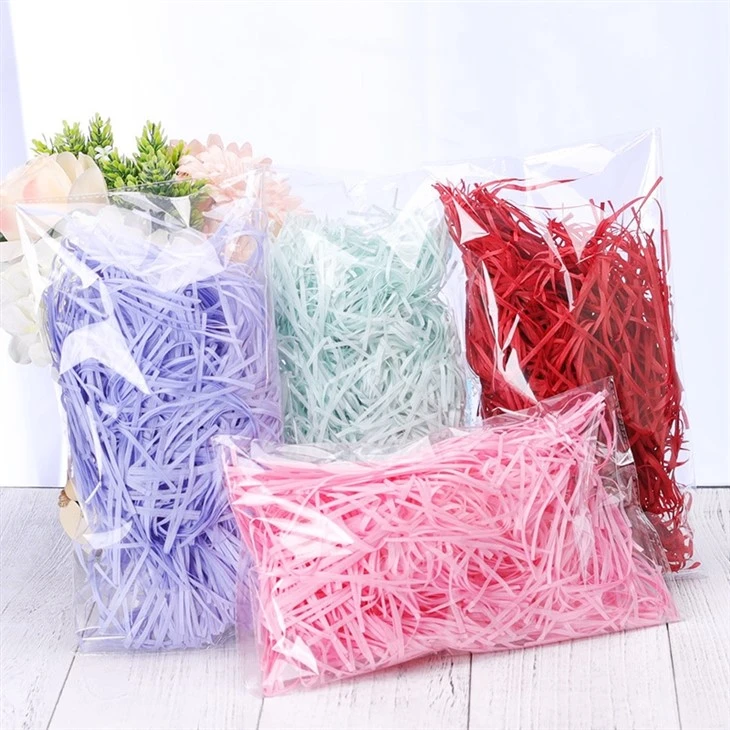
Moreover, shredded paper can be dyed or printed with branding messages, adding a personalized touch to the packaging. This can help to enhance the unboxing experience for customers and reinforce brand identity.
Potential Drawbacks and Mitigations
1. Moisture Sensitivity
One of the main concerns with using shredded paper filler for electronic packaging is its sensitivity to moisture. Paper can absorb water, which may lead to the growth of mold and mildew, and potentially damage the electronics. However, this issue can be mitigated by using moisture - resistant coatings or by including desiccant packets in the packaging.
For example, some shredded paper fillers can be treated with a water - repellent finish to reduce their moisture absorption. Additionally, placing silica gel desiccant packets in the package can help to keep the internal environment dry and protect the electronics from moisture - related damage.
2. Limited Structural Support
While shredded paper filler provides excellent cushioning, it may not offer the same level of structural support as some rigid packaging materials. For larger or heavier electronic devices, additional structural support may be required. This can be achieved by combining shredded paper filler with other packaging elements, such as corrugated cardboard inserts or molded foam trays.
By using a combination of materials, companies can ensure that the electronics are both well - cushioned and structurally supported during transit.
Real - World Applications and Case Studies
Many electronics manufacturers and retailers have already started using shredded paper filler for their packaging. For instance, a small - scale electronics startup found that using shredded paper filler reduced the rate of product damage during shipping by 20%. The startup attributed this improvement to the excellent cushioning and static - dissipating properties of the shredded paper.
Another example is a well - known consumer electronics brand that switched to shredded paper filler for its packaging to improve its environmental credentials. The brand reported positive feedback from customers, who appreciated the sustainable packaging and the high - quality unboxing experience.
Conclusion
In conclusion, shredded paper filler can be a viable option for packing electronics. Its cushioning properties, static - dissipation ability, environmental friendliness, and customizability make it a suitable choice for protecting delicate electronic devices during transit. While there are some potential drawbacks, such as moisture sensitivity and limited structural support, these can be effectively mitigated through appropriate measures.
If you are in the electronics industry and are looking for a reliable, sustainable, and cost - effective packaging solution, I encourage you to consider using shredded paper filler. Shredded Paper from our company is of the highest quality, offering all the benefits mentioned above.
We are committed to providing our customers with the best packaging solutions. If you are interested in learning more about our shredded paper filler or would like to discuss your specific packaging needs, please feel free to reach out to us. Our team of experts is ready to assist you in finding the perfect packaging solution for your electronics.

References
- Packaging Engineering Handbook, Third Edition, edited by Wilson C. Brown and David W. Pitt.
- Research papers on static electricity in packaging materials from the Journal of Packaging Technology and Research.
- Case studies from industry reports on sustainable packaging in the electronics sector.


