


Can shredded paper filler be used for packing musical instrument cases?
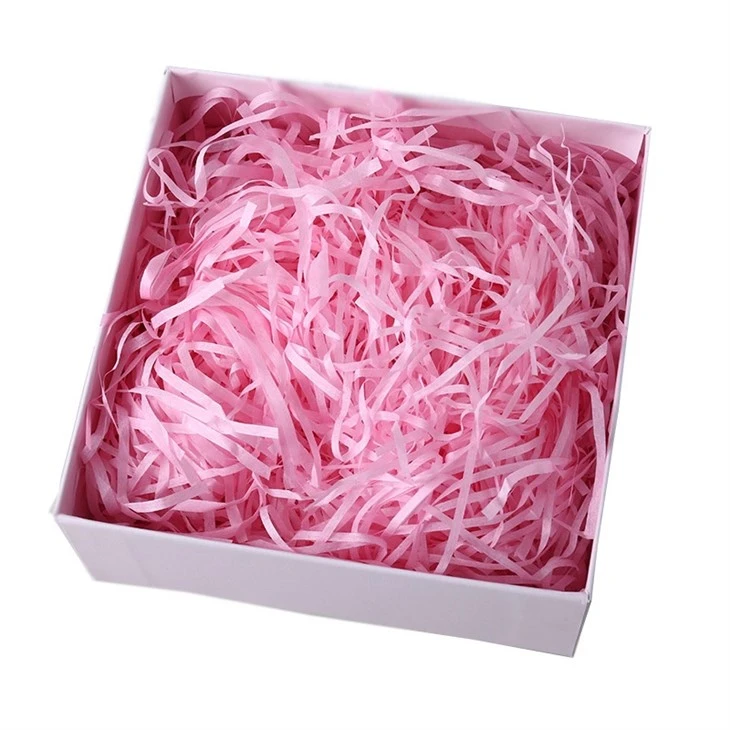
As a supplier of shredded paper filler, I often get asked about the suitability of our product for various packing applications. One question that comes up quite frequently is whether shredded paper filler can be used for packing musical instrument cases. In this blog post, I'll explore this topic in detail and provide you with all the information you need to make an informed decision.
The Importance of Proper Instrument Packing
Musical instruments are delicate and valuable items that require special care during transportation and storage. Improper packing can lead to damage, such as scratches, dents, or even structural issues. Therefore, it's crucial to choose the right packing materials to ensure the safety of your instruments.
Advantages of Shredded Paper Filler for Instrument Packing
- Shock Absorption: Shredded paper filler has excellent shock-absorbing properties. It can cushion the instrument against impacts and vibrations during transit, reducing the risk of damage. When an instrument case is jostled or dropped, the shredded paper compresses and absorbs the energy, protecting the instrument inside.
- Lightweight: Shredded paper is lightweight, which is beneficial when it comes to shipping costs. Heavier packing materials can add significant weight to the instrument case, increasing the overall shipping expenses. Using shredded paper filler helps keep the weight down while still providing adequate protection.
- Environmentally Friendly: In today's world, environmental concerns are at the forefront. Shredded paper filler is an eco - friendly option as it is often made from recycled paper. By choosing shredded paper, you're making a sustainable choice that reduces waste and supports the recycling industry.
- Customizable: Shredded paper can be easily shaped and molded to fit the contours of the musical instrument. Whether it's a violin, a trumpet, or a guitar, you can arrange the shredded paper to provide a snug and secure fit inside the case, preventing the instrument from moving around.
Considerations for Using Shredded Paper Filler
- Moisture Resistance: One of the potential drawbacks of shredded paper filler is its lack of moisture resistance. Musical instruments are sensitive to humidity and moisture, which can cause damage such as warping, rusting, or mold growth. If you're using shredded paper filler in an environment with high humidity or if the instrument will be exposed to moisture during transit, you may need to take additional precautions. For example, you could use a moisture - resistant liner inside the case or add desiccant packets to absorb excess moisture.
- Dust and Allergies: Shredded paper can generate dust, which may be a concern for some people, especially those with allergies or respiratory issues. However, high - quality shredded paper filler is often treated to minimize dust generation. You can also choose to use a breathable cover over the instrument to prevent direct contact with the shredded paper and reduce the risk of dust exposure.
Comparing Shredded Paper Filler with Other Packing Materials
- Foam: Foam is another popular choice for packing musical instruments. It offers excellent shock absorption and is available in various densities and shapes. However, foam can be more expensive than shredded paper filler, and it may not be as environmentally friendly. Additionally, foam can sometimes trap moisture, which can be a problem for musical instruments.
- Bubble Wrap: Bubble wrap is known for its cushioning effect. It's easy to use and widely available. But it takes up a lot of space and is not as customizable as shredded paper filler. Also, bubble wrap is made of plastic, which is not biodegradable and can contribute to environmental pollution.
Real - World Examples
I've had many customers who have used our shredded paper filler for packing musical instrument cases. For instance, a local music store that ships instruments across the country switched to our shredded paper filler from foam. They reported that not only did they save on packing costs, but they also noticed a significant reduction in instrument damage during transit. Another customer, a professional musician who travels frequently with his violin, found that the shredded paper filler provided a comfortable and secure fit for his instrument, protecting it from the rigors of travel.
How to Use Shredded Paper Filler for Instrument Packing
- Prepare the Case: Clean the inside of the musical instrument case thoroughly to remove any dirt or debris.
- Shape the Shredded Paper: Take a handful of shredded paper and shape it to fit around the instrument. Start by placing a layer of shredded paper at the bottom of the case.
- Place the Instrument: Gently place the musical instrument in the case on top of the shredded paper. Then, add more shredded paper around the sides and top of the instrument, making sure it is completely surrounded and secured.
- Close the Case: Once the instrument is properly packed with shredded paper, close the case and ensure it is securely latched.
Conclusion
In conclusion, shredded paper filler can be an excellent choice for packing musical instrument cases. It offers many advantages such as shock absorption, lightweight, environmental friendliness, and customizability. While there are some considerations like moisture resistance and dust, these can be easily addressed with proper precautions. If you're looking for a cost - effective and sustainable packing solution for your musical instruments, I highly recommend giving shredded paper filler a try.
If you're interested in learning more about our shredded paper filler or would like to discuss your specific packing needs, please feel free to reach out. We're here to help you find the best packing solution for your musical instruments. You can also check out our Shredded Paper product page for more information.

References
- Packaging Materials Handbook: A Comprehensive Guide to Packaging Solutions.
- Journal of Musical Instrument Preservation and Transportation.
- Environmental Impact Studies of Packaging Materials.


