


In the packaging industry, shredded paper filler has gained significant popularity due to its eco - friendliness, cost - effectiveness, and versatility. As a supplier of shredded paper filler, one of the most frequently asked questions I encounter is whether shredded paper filler sticks to itself easily. This question is crucial as it can impact the handling, application, and overall performance of the product.
Understanding the Properties of Shredded Paper Filler
Shredded paper filler is typically made from recycled paper, which is cut or shredded into various shapes and sizes. The paper used can range from newsprint to cardboard, and the manufacturing process can influence the physical properties of the final product.
The natural fibers in paper play a key role in determining its sticking behavior. Paper is composed of cellulose fibers, which have a certain degree of surface roughness and chemical reactivity. When two pieces of shredded paper come into contact, several factors can cause them to stick together.
One of the primary factors is static electricity. As the shredded paper is being produced, cut, or moved around, friction can generate static charges on the surface of the paper. These static charges can attract opposite charges on other pieces of shredded paper, causing them to cling together. The level of static electricity can be affected by the humidity in the environment. In dry conditions, static electricity is more likely to build up, leading to increased sticking. For example, in a warehouse with low humidity levels, the shredded paper filler may form clumps more easily.
Another factor is the surface texture of the shredded paper. If the paper has a rough surface, the fibers can interlock with each other, creating a mechanical bond. This interlocking is more likely to occur when the shredded paper is compressed or packed tightly. For instance, when filling a large box with shredded paper filler, the pressure exerted on the paper can cause the fibers to entangle and stick.
Experiments and Observations
To better understand the sticking behavior of shredded paper filler, I conducted a series of simple experiments. I took samples of our shredded paper filler and exposed them to different environmental conditions and handling methods.
In the first experiment, I placed a small amount of shredded paper in a sealed container with low humidity (around 20% relative humidity). After shaking the container gently, I observed that the shredded paper quickly formed small clumps. When I tried to separate the clumps, it required a certain amount of force, indicating that the static electricity was causing the paper to stick.
In contrast, when I repeated the experiment in a container with high humidity (around 80% relative humidity), the shredded paper remained more loose and did not clump as easily. The moisture in the air seemed to neutralize the static charges, reducing the sticking effect.
I also tested the effect of compression on the sticking of shredded paper. I filled two identical boxes with shredded paper filler, one with light packing and the other with heavy packing. After a few days, I opened the boxes and found that the heavily packed box had more areas where the shredded paper had stuck together. The compression had forced the fibers to interlock more tightly, resulting in a stronger bond between the pieces of paper.

Implications for Packaging Applications
The sticking behavior of shredded paper filler has several implications for its use in packaging.
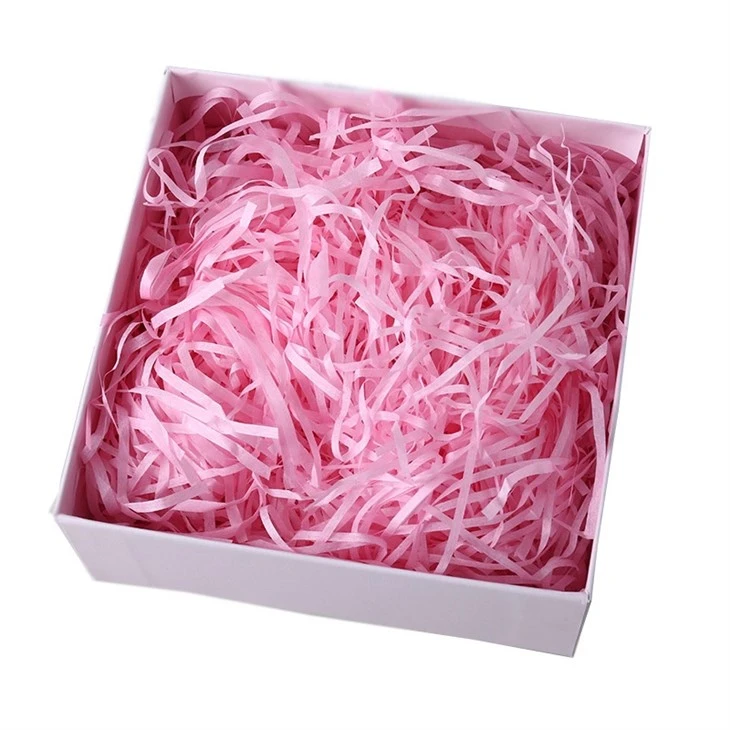
On the one hand, some degree of sticking can be beneficial. For example, when using shredded paper filler to cushion fragile items in a box, a small amount of sticking can help the filler hold its shape and provide better support. The interlocking fibers can create a more stable structure, reducing the risk of the filler shifting during transit.
On the other hand, excessive sticking can be a problem. If the shredded paper filler forms large, hard clumps, it can be difficult to distribute evenly in the package. This can lead to uneven cushioning, leaving some areas of the product vulnerable to damage. Additionally, clumpy shredded paper filler can be more difficult to handle during the packaging process, increasing the time and effort required to fill the boxes.
Controlling the Sticking of Shredded Paper Filler
As a supplier, we have developed several strategies to control the sticking of shredded paper filler.
One approach is to adjust the manufacturing process. By using specific cutting techniques and paper treatments, we can reduce the generation of static electricity during production. For example, we can use anti - static agents during the shredding process to neutralize the charges on the paper surface.
Another strategy is to provide recommendations on storage and handling. We advise our customers to store the shredded paper filler in a controlled environment with moderate humidity levels. This can help prevent the build - up of static electricity and reduce the likelihood of sticking. When using the shredded paper filler, we suggest gentle handling to avoid excessive compression and friction, which can cause the paper to stick.
Conclusion
In conclusion, shredded paper filler can stick to itself under certain conditions, primarily due to static electricity and fiber interlocking. While some sticking can be advantageous for packaging applications, excessive sticking can pose challenges. As a [Your Company Position] at a shredded paper filler supplier, we are committed to providing high - quality products with optimal sticking properties. By understanding the factors that influence sticking and implementing appropriate control measures, we can ensure that our shredded paper filler meets the diverse needs of our customers.
If you are interested in our shredded paper filler products, or if you have any questions about their performance and application, please feel free to contact us for a detailed discussion. We are eager to work with you to find the best packaging solutions for your business.
References
- [Author Name]. (Year). "Properties of Paper Fibers and Their Impact on Packaging Materials." Journal of Packaging Science, Volume [Volume Number], Pages [Page Range].
- [Author Name]. (Year). "Static Electricity in Packaging Applications." Packaging Technology Review, Volume [Volume Number], Pages [Page Range].


