


Hey there! I'm stoked to share with you all how to create a sense of depth with shredded paper galaxies. As a shredded paper supplier, I've seen firsthand the amazing creative potential these little strips of paper hold. So, let's dive right in!
The Basics of Shredded Paper
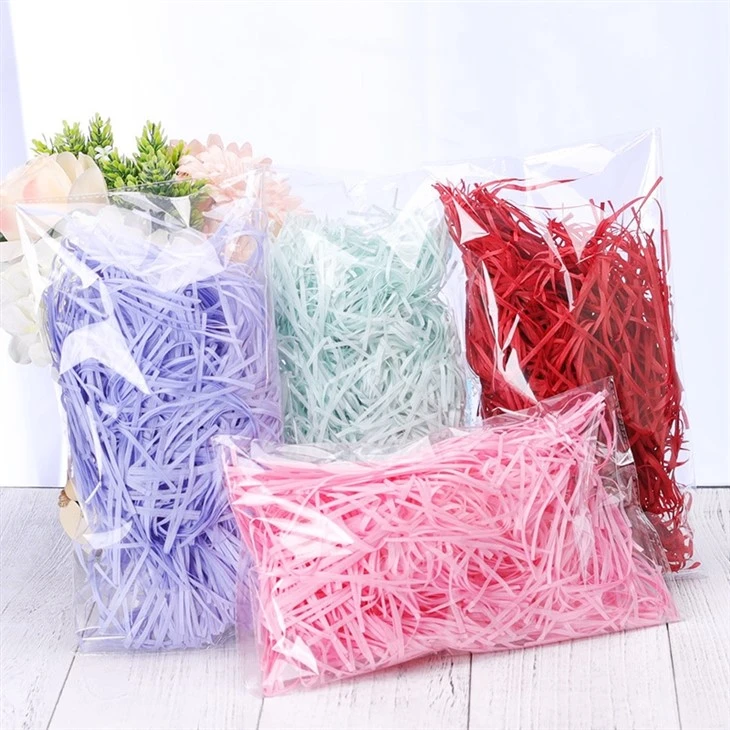
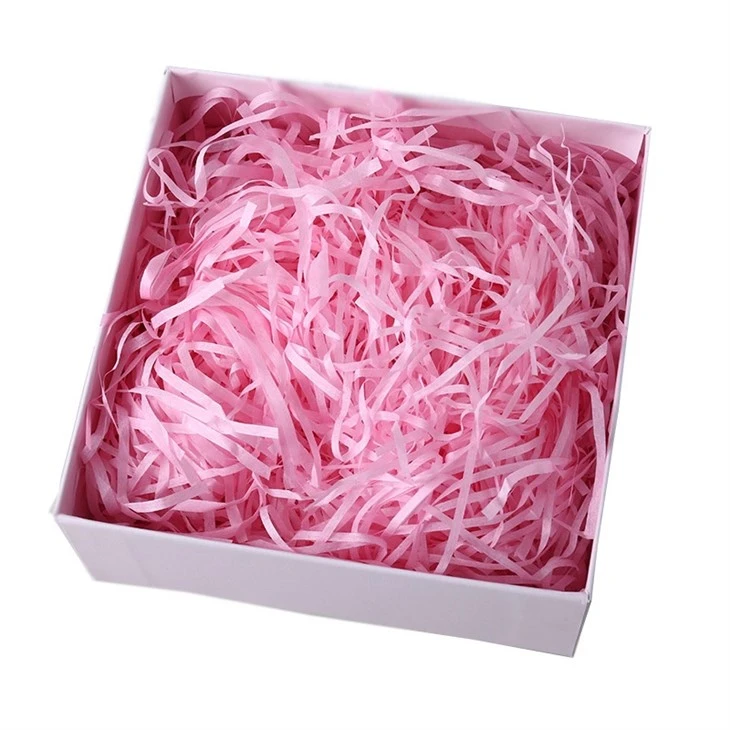
First off, what exactly is shredded paper? Well, it's just what it sounds like – paper that's been cut or shredded into thin strips. You can find all sorts of shredded paper out there, from colorful confetti-like pieces to long, thin strips. And guess what? You can get some really high - quality shredded paper right here at Shredded Paper. It comes in different colors, textures, and sizes, which is super important when you're trying to create a galaxy.
Why Shredded Paper for Galaxies?
You might be wondering why shredded paper is a great choice for making galaxies. For starters, it's incredibly versatile. You can manipulate it in so many ways. You can bunch it up to create stars, spread it out to form nebulas, or layer it to add depth. It's also really affordable, so you can experiment without breaking the bank.
Getting Your Materials Ready
Before you start creating your shredded paper galaxy, you'll need to gather a few things. Obviously, you'll need shredded paper. As I mentioned, you can pick up a variety of shredded paper from our Shredded Paper collection. You'll also need a base, like a large piece of cardboard or a canvas. Glue is essential for sticking the paper in place. I recommend using a craft glue that dries clear. And don't forget some paint to add extra details and colors to your galaxy.
Creating the Base
The first step in creating your shredded paper galaxy is to prepare the base. You can paint the base black to represent the vastness of space. Let the paint dry completely before you start adding the shredded paper. This will give you a nice, clean surface to work on.
Adding the First Layer
Once your base is dry, it's time to start adding the shredded paper. Begin with the largest and most spread - out pieces. These will form the outer edges of your galaxy, like the far - reaching nebulas. Use your glue to stick the paper down. Don't be afraid to be a bit messy at this stage. You can always tidy it up later.
Building Depth with Layers
The key to creating a sense of depth in your shredded paper galaxy is to add multiple layers. After the first layer is dry, start adding smaller pieces of shredded paper on top. These smaller pieces can represent closer stars and denser parts of the galaxy. You can also use different colors to create contrast. For example, use lighter colors for the stars that seem closer and darker, more muted colors for the ones in the background.
Creating Stars
Stars are a crucial part of any galaxy. To create stars with shredded paper, take small pieces of white or silver paper and bunch them up tightly. Then, use a little bit of glue to stick them onto your galaxy. You can also add some glitter or metallic paint to make the stars really stand out.
Adding Nebulas
Nebulas are those beautiful, wispy clouds of gas and dust in space. To create nebulas with shredded paper, take long, thin strips of paper and spread them out in a wavy pattern. You can use a variety of colors, like pink, purple, and blue, to make the nebulas look more realistic. Glue them down gently, making sure they blend in with the rest of the galaxy.
Finishing Touches
Once you're happy with the layers of shredded paper, it's time to add the finishing touches. You can use a fine - tipped paintbrush to add details like shooting stars or asteroids. You can also add some more glitter for an extra bit of sparkle.
Tips and Tricks
- Experiment with different types of shredded paper. Some papers are more flexible, while others are stiffer. This can affect how you manipulate them and the overall look of your galaxy.
- Don't be afraid to make mistakes. Galaxy art is all about creativity, so have fun with it.
- If you want a more three - dimensional look, you can add some foam or other materials behind the shredded paper to give it more height.
The Science Behind the Look
Now, let's talk a bit about the science behind why these shredded paper galaxies look so cool. In real space, depth is created by the distance between objects. The farther away an object is, the smaller and less distinct it appears. When we use different sizes and colors of shredded paper, we're mimicking this effect. The larger, more spread - out pieces look like they're farther away, while the smaller, more concentrated pieces seem closer.
Using Shredded Paper Galaxies in Different Settings
Shredded paper galaxies aren't just for art projects. You can use them in all sorts of settings. They make great decorations for a space - themed party. You can hang them from the ceiling or use them as table centerpieces. They're also a great addition to a child's bedroom or a science classroom.
Conclusion
Well, there you have it – a step - by - step guide on how to create a sense of depth with shredded paper galaxies. I hope this has inspired you to get creative and start making your own. Remember, as a shredded paper supplier, we've got all the materials you need to bring your galaxy to life. If you're interested in purchasing shredded paper for your next project, don't hesitate to reach out and start a procurement discussion. We're here to help you make your creative visions a reality.
References
- "The Handbook of Space Art" - A great resource for understanding the visual elements of space.
- "Crafting with Paper: A Beginner's Guide" - Offers tips on working with different types of paper in art projects.


